
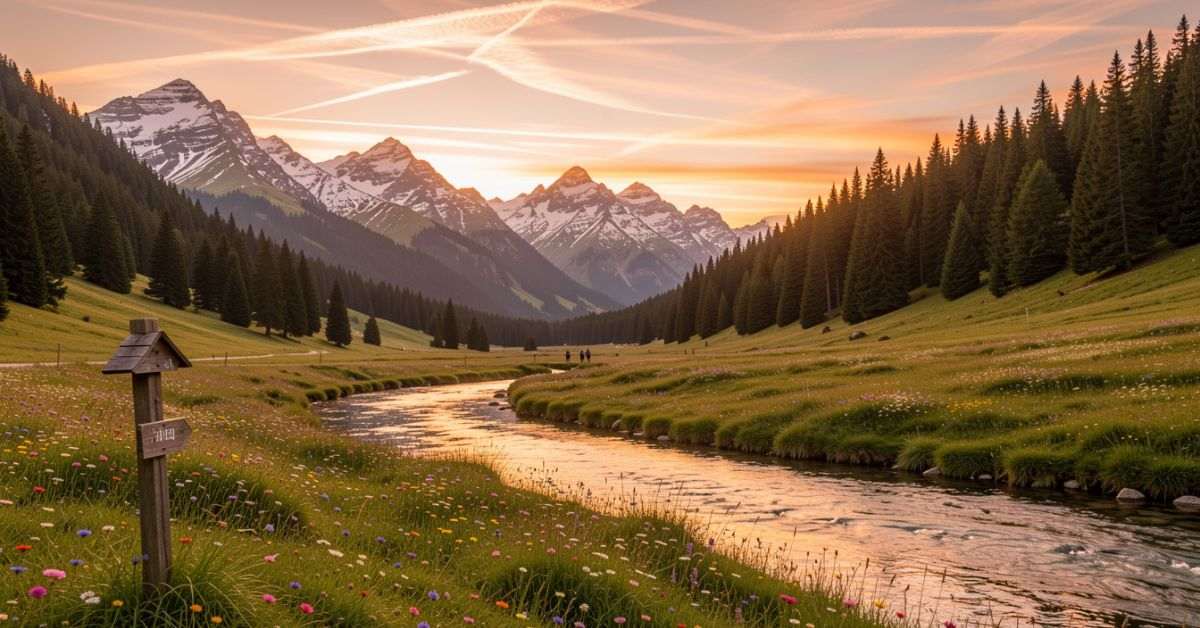
Nestled among rolling hills and pristine forests, kotora melnkalne stands as one of Europe’s most captivating yet underrated natural destinations. This remarkable region offers visitors an authentic escape from busy city life, featuring breathtaking landscapes, diverse wildlife, and outdoor adventures suitable for all ages and fitness levels.
Whether you’re a nature enthusiast seeking peaceful hiking trails, a photographer chasing stunning sunrise views, or a family looking for memorable vacation experiences, this destination delivers something special for everyone. The area has gained increasing attention from travelers who prefer off-the-beaten-path locations over crowded tourist spots.
In this comprehensive guide, we’ll explore everything you need to know about visiting this beautiful region. You’ll discover the best times to visit, top hiking trails, local wildlife, accommodation options, and practical travel tips that will help you plan the perfect trip. We’ve researched extensively and gathered updated information for 2026 to ensure you have the most accurate and helpful resource available.
By the end of this article, you’ll understand why thousands of nature lovers consider this destination a must-visit place on their travel bucket list.
Understanding the Geography and Landscape
The terrain in this magnificent region showcases nature’s incredible artistry through its varied geographical features. Visitors encounter everything from gentle meadows filled with wildflowers to dramatic cliff formations that have formed over millions of years.
The central valley area spans approximately 45 kilometers, providing ample space for exploration without feeling overwhelmed. Elevation ranges from 200 meters in the lower plains to impressive peaks reaching 1,800 meters, creating diverse microclimates that support different plant and animal species at various heights.
Rivers and streams crisscross the landscape, fed by natural springs that maintain crystal-clear water throughout the year. These waterways have carved beautiful gorges and created numerous waterfalls that become particularly spectacular during spring when melting snow increases water flow.
The geological composition includes ancient limestone formations, granite outcrops, and volcanic rock deposits that tell the story of Earth’s history spanning hundreds of millions of years. Scientists and geology enthusiasts find this area particularly fascinating because rock layers are clearly visible along many trail routes.
Local conservation efforts have protected much of this landscape from development, ensuring future generations can experience the same untouched beauty that draws travelers today.
Best Seasons and Weather Patterns for Visiting
Planning your trip around optimal weather conditions significantly enhances the overall experience in this natural wonderland. Each season offers unique advantages depending on your preferred activities and interests.
Spring (March to May) brings moderate temperatures ranging from 10°C to 20°C, along with blooming wildflowers that carpet meadows in stunning colors. Waterfalls reach peak flow during this period, creating impressive displays. However, trails may be muddy, so waterproof hiking boots become essential gear.
Summer (June to August) provides the warmest weather with temperatures between 22°C and 28°C. This period offers the longest daylight hours, allowing extended hiking excursions. Popular trails can become busier during July and August, so early morning starts help avoid crowds.
Autumn (September to November) many consider the most scenic season. Temperature drops to 8°C to 18°C coincide with spectacular foliage changes. Fewer tourists visit during this shoulder season, providing more peaceful experiences on trails and at viewpoints.
Winter (December to February) transforms the landscape into a snowy wonderland when temperatures drop between -5°C and 5°C. Some trails close due to conditions, but winter hiking opportunities exist for experienced adventurers with proper equipment. Lower elevation paths often remain accessible.
Top Hiking Trails and Outdoor Routes
The network of hiking paths offers options for every skill level, from casual walkers to experienced mountaineers seeking challenging terrain. Well-maintained trail markers and clear signage make navigation straightforward even for first-time visitors.
Easy Trails (Suitable for Families)
The Meadow Loop Trail spans 4.5 kilometers with minimal elevation gain, making it perfect for families with young children. Interpretive signs along the route explain local plant species and geological features. Average completion time runs approximately 90 minutes at a leisurely pace.
The Riverside Walk follows the main waterway for 6 kilometers on flat terrain. Benches and picnic areas appear regularly, allowing rest stops while enjoying peaceful river views. This accessible path accommodates strollers and wheelchairs along most sections.
Moderate Trails (Intermediate Hikers)
The Pine Ridge Circuit covers 12 kilometers with 450 meters of elevation gain. Hikers typically complete this route in 4-5 hours, passing through diverse forest zones and reaching several scenic overlooks. The trail surface alternates between packed earth and rocky sections.
Wildlife and Biodiversity You’ll Encounter
The rich ecosystems support remarkable biodiversity that makes wildlife observation a highlight for many visitors. Conservation programs have successfully protected and restored populations of several species that were once declining.
Mammals commonly spotted include red deer, wild boar, European badgers, and red foxes. Patient observers might glimpse shy creatures like pine martens or wildcats in forested areas during dawn or dusk hours. Bear sightings occasionally occur in remote backcountry zones, though encounters remain rare.
Bird species number over 180, attracting birdwatchers from across the globe. Golden eagles soar above cliff faces, while colorful kingfishers hunt along riverbanks. During spring migration, thousands of songbirds pass through the region, creating exceptional opportunities for ornithologists.
Amphibians and reptiles thrive in wetland areas and rocky habitats. Fire salamanders with their distinctive yellow and black markings appear after rainfall. Several snake species inhabit the region, though most avoid human contact and pose minimal danger to hikers who watch their step.
Insect diversity includes numerous butterfly species that flutter through meadows during summer months. Conservation efforts specifically target pollinator protection, recognizing their crucial role in maintaining healthy plant communities.
Flora and Plant Life Throughout the Region
Botanical diversity rivals the impressive animal life, with over 1,200 plant species recorded within the protected boundaries. Different elevation zones create distinct plant communities that change noticeably as you ascend mountain trails.
Lowland forests feature oak, beech, and hornbeam trees forming dense canopies that shade the forest floor. Spring brings carpets of wildflowers including wood anemones, primroses, and bluebells before leaf coverage limits sunlight reaching ground level.
Mountain meadows explode with color during late spring and early summer. Gentians, orchids, and alpine roses create stunning displays that photographers particularly appreciate. Some rare endemic species exist only within this specific region, making botanical preservation efforts especially important.
Coniferous zones at higher elevations host spruce, fir, and pine trees adapted to harsher conditions. Bilberry and lingonberry bushes provide food sources for wildlife while offering foraging opportunities for knowledgeable visitors during late summer.
Wetland plants along streams and marshes include various sedges, rushes, and aquatic species. Carnivorous sundew plants capture insects in boggy areas, representing fascinating adaptations to nutrient-poor soils that developed over thousands of years.
The botanical garden near the main entrance showcases native species in accessible displays, providing excellent educational opportunities for visitors interested in learning more about regional plant life before venturing onto trails.
Accommodation and Lodging Options
Staying overnight allows deeper exploration and connection with the natural environment. Various accommodation types cater to different preferences and budgets, from rustic camping to comfortable lodges.
Camping Facilities
Several designated campgrounds offer basic amenities including restrooms, potable water, and fire pits. Fees average €15-25 per night for standard sites. Backcountry camping permits are available for experienced hikers wishing to overnight in remote areas.
Mountain Huts and Refuges
Traditional stone huts along popular trails provide simple dormitory-style accommodation and basic meals. Reservations become essential during peak summer months. Prices typically range from €35-50 per person including breakfast.
Eco-Lodges and Guesthouses
Environmentally conscious lodges near village entrances offer comfortable rooms with modern amenities while maintaining sustainable practices. These properties often feature locally sourced meals and organize guided excursions.
Nearby Town Accommodations
Villages within 15-30 minutes driving distance provide hotels, bed-and-breakfasts, and vacation rentals. Staying in nearby communities allows easy access while offering restaurant options and cultural experiences beyond nature activities.
Booking several months ahead ensures availability during popular visiting periods. Many properties offer package deals combining accommodation with guided tours, equipment rentals, or transportation from regional airports.
Getting There and Transportation Tips
Reaching this natural destination requires some planning, but improved infrastructure has made access increasingly convenient for international travelers exploring kotora melnkalne as a vacation destination.
By Air: The nearest major airport lies approximately 120 kilometers away, with regular connections to major European hub cities. Smaller regional airports located 60-80 kilometers from the main entrance offer limited but growing flight options.
By Train: Rail service connects major cities to towns near the protected area. From railway stations, local buses or taxis complete the journey to trailheads and accommodations.
By Car: Road networks provide straightforward driving routes from surrounding countries. Journey times from nearby capitals range between 3-6 hours depending on starting location. Parking areas at main entrances accommodate day visitors.
Local Transportation: Shuttle buses operate during peak season, connecting parking areas with popular trailheads and visitor centers. This service reduces traffic within the protected zone while providing convenient access.
Guided Tours: Various operators offer pickup services from cities and airports, handling all transportation logistics as part of packaged excursions.
Renting a car provides maximum flexibility for exploring at your own pace, though public transportation options continue expanding to serve environmentally conscious travelers who prefer reducing their carbon footprint.
Key Statistics and Information
Understanding essential data helps visitors plan effectively. The following tables compile important information in easy-to-reference formats.
Trail Difficulty and Duration Overview
| Trail Name | Distance | Elevation Gain | Difficulty | Avg. Time |
|---|---|---|---|---|
| Meadow Loop | 4.5 km | 50 m | Easy | 1.5 hours |
| Riverside Walk | 6 km | 30 m | Easy | 2 hours |
| Pine Ridge Circuit | 12 km | 450 m | Moderate | 4-5 hours |
| Waterfall Valley | 8 km | 280 m | Moderate | 3-4 hours |
| Summit Traverse | 18 km | 900 m | Difficult | 7-9 hours |
| Cliff Edge Path | 14 km | 650 m | Difficult | 5-6 hours |
These statistics help travelers choose optimal visiting periods based on weather preferences and crowd tolerance levels.
Essential Packing List and Safety Guidelines
Proper preparation ensures safe and enjoyable outdoor experiences. Following these recommendations minimizes risks while maximizing comfort during your adventures.
Clothing Essentials:
- Moisture-wicking base layers
- Insulating mid-layers (fleece or down)
- Waterproof outer shell jacket and pants
- Sturdy hiking boots with ankle support
- Hat and sunglasses for sun protection
- Warm hat and gloves for higher elevations
Equipment and Gear:
- Daypack (20-30 liters for day hikes)
- Water bottles or hydration system (minimum 2 liters)
- Headlamp with extra batteries
- First aid kit with personal medications
- Navigation tools (map, compass, GPS device)
- Emergency whistle and space blanket
Safety Guidelines:
Always inform someone of your hiking plans and expected return time. Staying on marked trails protects both visitors and fragile ecosystems. Weather conditions can change rapidly at higher elevations, so monitoring forecasts and being prepared to turn back remains essential.
Wildlife encounters require calm responses—maintain distance and never feed animals. Carrying bear spray in remote areas provides added security, though encounters remain uncommon.
Sustainable Tourism and Conservation Efforts
Responsible visitation helps protect the natural treasures that draw travelers to kotora melnkalne year after year. Understanding and supporting conservation initiatives makes each visitor part of the preservation solution.
The protected area management authority implements numerous programs addressing environmental challenges. Trail maintenance prevents erosion while strategic route planning minimizes wildlife disturbance in sensitive habitats. Seasonal closures in certain zones allow animal breeding and nesting activities to proceed undisturbed.
Visitor fees directly fund conservation work, including invasive species removal, habitat restoration, and wildlife monitoring. Choosing licensed tour operators who follow sustainable practices further supports these efforts while ensuring quality experiences.
Individual actions contribute significantly to preservation. Packing out all trash, staying on designated paths, and avoiding single-use plastics reduce environmental impacts. Purchasing locally made souvenirs and eating at regional restaurants supports communities dependent on sustainable tourism.
FAQs
How long should I plan to visit this natural destination?
Most visitors spend 3-5 days exploring the main trails and viewpoints, though nature enthusiasts often extend stays to one week or more for deeper exploration.
Is the area suitable for children and elderly visitors?
Yes, several easy trails accommodate all ages and fitness levels, with accessible paths available near main visitor centers.
Do I need permits for hiking?
Day visitors typically pay entrance fees at gates, while overnight backcountry camping requires advance permits obtained through official channels.
What is the best month for photography?
Autumn months (September-October) offer spectacular foliage colors, while spring (May-June) provides waterfall displays and wildflower blooms.
Are guided tours worth the cost?
Guided excursions enhance experiences through expert knowledge of wildlife, geology, and hidden gems that independent visitors might miss.
Conclusion
Exploring kotora melnkalne offers transformative experiences that reconnect visitors with the natural world’s beauty and wonder. From gentle meadow walks to challenging mountain ascents, the diverse opportunities ensure everyone finds their perfect outdoor adventure.
The combination of stunning landscapes, rich wildlife, and well-maintained trail networks makes this destination exceptional among European nature reserves. Whether you visit during colorful autumn, blooming spring, sunny summer, or peaceful winter, memorable experiences await at every turn.
We encourage you to begin planning your visit by researching accommodation availability for your preferred dates and reviewing trail conditions through official resources. Sharing your experiences through responsible social media posts inspires others while promoting sustainable tourism practices.
Your adventure awaits—take the first step toward discovering one of nature’s most magnificent hidden treasures today!