
Introduction
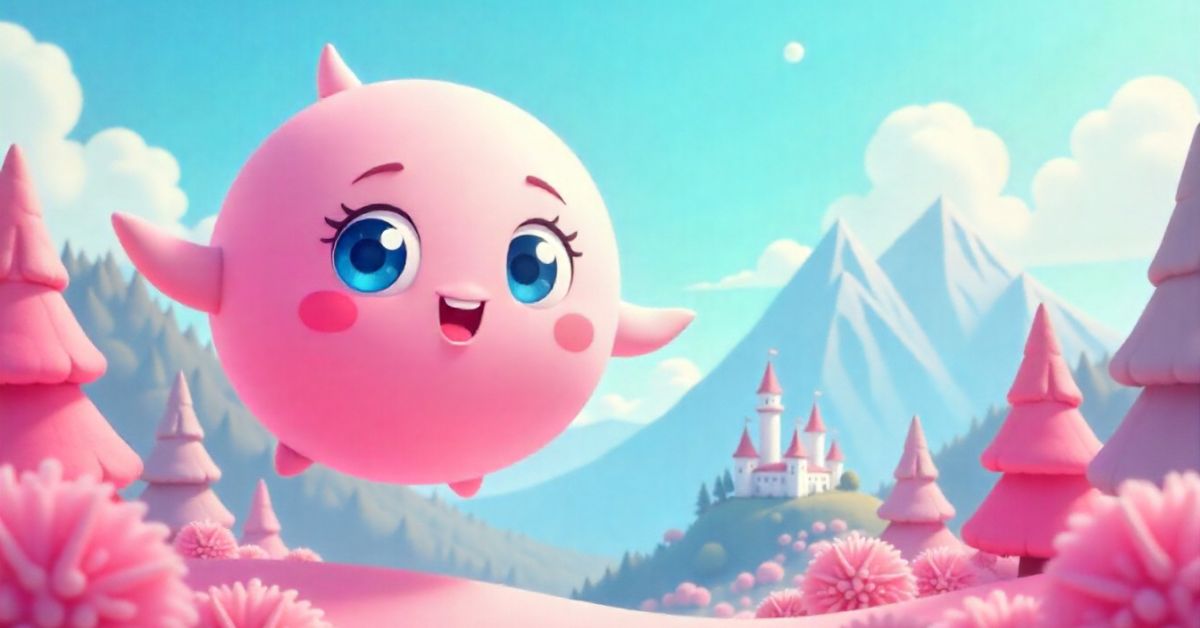
Nintendo has created countless memorable characters over the decades, but few have captured hearts quite like the adorable pink puffball from Dream Land. Since 1992, this cheerful character has starred in numerous games, appeared in animated shows, and become a cultural icon recognized worldwide. Whether you’re a long-time fan or just discovering this lovable hero, this comprehensive guide will tell you everything you need to know.
In this article, we’ll explore (kirby) the fascinating history, gameplay mechanics, cultural impact, and future of this iconic Nintendo franchise. We’ve researched extensively and gathered the most up-to-date information available in 2026 to bring you a complete resource.
From the character’s humble beginnings on the Game Boy to the latest releases on modern consoles, you’ll find detailed information presented in simple, easy-to-understand language. We’ve also included helpful tables, answered common questions, and provided tips for both new players and experienced fans alike.
The Origin Story: How This Pink Hero Was Born
The story of Nintendo’s famous pink puffball begins in the early 1990s at HAL Laboratory, a Japanese video game company. A young game designer named Masahiro Sakurai created the character when he was just 19 years old. Originally, the character was meant to be a simple placeholder during game development, but the design was so appealing that it became permanent.
The first game, released in 1992 for the original Game Boy, was designed to be accessible to beginners while still being enjoyable for experienced players.
This philosophy has remained central to the franchise ever since. Interestingly, the character was originally white in the Japanese version because the Game Boy couldn’t display colors. When Nintendo of America saw the design, they chose pink for the final colored artwork.
Understanding the Copy Ability System
One of the most innovative gameplay mechanics in the franchise is the Copy Ability system. This unique feature allows the pink hero to gain powers by swallowing enemies. When an enemy is inhaled and swallowed, the character can absorb their special abilities and use them until taking damage or choosing to discard them.
Over the years, the number of available abilities has grown tremendously. Early games featured around 20 different powers, but modern entries include 50 or more unique abilities. Some fan favorites include:
- Sword: Allows for quick slashing attacks
- Fire: Enables flame-based projectile attacks
- Ice: Freezes enemies solid
- Hammer: Delivers powerful crushing blows
- Beam: Shoots energy blasts from a wand
- Ninja: Provides stealth and throwing stars
The Copy Ability system makes each playthrough unique. Players can experiment with different powers to find their preferred playstyle. Some abilities are better for combat, while others help with exploration or solving puzzles. This variety has helped keep the games fresh and exciting for over three decades.
Major Game Releases Through the Years
The franchise has seen remarkable evolution since its 1992 debut. Each new console generation has brought fresh adventures and innovations. Let’s look at some of the most significant releases that have shaped the series.
The Super Nintendo era introduced “Super Star,” widely considered one of the best games in the series. This 1996 release featured multiple sub-games and introduced many abilities that became franchise staples. The Nintendo 64 surprisingly didn’t receive a traditional entry, with “Crystal Shards” arriving on the system in 2000 featuring a unique ability-combining mechanic.
The handheld consoles proved particularly important for the franchise. Games like “Amazing Mirror” and “Squeak Squad” on the Game Boy Advance and Nintendo DS kept fans engaged between major console releases. These portable adventures allowed players to enjoy the cheerful gameplay anywhere they went.
The World of Dream Land Explained
The fictional setting of the games is primarily Dream Land, a peaceful region on the planet Pop Star. This whimsical world features colorful landscapes, friendly creatures, and the occasional villain who disrupts the peace. Understanding this setting helps players appreciate the stories and characters better.
Dream Land is ruled by King Dedede, a large penguin-like character who serves as both rival and occasional ally to the pink hero. Despite often being an antagonist, Dedede isn’t truly evil—he’s usually being controlled or manipulated by darker forces. His castle sits prominently in Dream Land and appears in many games.
Other important locations include:
- Green Greens: The iconic first level featuring rolling hills and trees
- Orange Ocean: A tropical area with beaches and water stages
- Castle Dedede: The king’s fortress, often the final destination
- The Fountain of Dreams: A magical location that ensures peaceful sleep
The world of Pop Star extends beyond Dream Land. Other regions include Floralia (a kingdom in the sky), Patch Land (made entirely of fabric), and various other planets that the hero has visited during space-faring adventures. Each location brings unique visual styles and gameplay challenges.
Kirby in Super Smash Bros and Crossover Appearances
The beloved Nintendo mascot has made numerous appearances outside the main game series. Most notably, the pink puffball has been a playable character in every Super Smash Bros game since the original Nintendo 64 release. This makes sense considering that Masahiro Sakurai created both franchises.
In Super Smash Bros, the character maintains the signature Copy Ability in a unique way. By using the neutral special move, players can swallow opponents and copy their neutral special attack. This means the character can borrow moves from Mario, Link, Pikachu, and every other fighter in the roster. This creative adaptation has made kirby dedo a popular choice for players who enjoy versatility.
Kirbi Dedo character is often considered beginner-friendly in Smash Bros due to:
- Multiple recovery jumps for returning to the stage
- Simple-to-execute special moves
- Lightweight design that’s easy to control
- The ability to copy and experiment with other characters’ moves
Beyond fighting games, the character has appeared in various Nintendo crossover titles. Cameos and references appear in games like Animal Crossing, where players can obtain themed furniture and clothing. The upcoming Nintendo projects continue featuring this beloved character in new and creative ways.
The Animated Series and Media Appearances
The franchise expanded into animation with the anime series that aired from 2001 to 2003 in Japan, later dubbed for international audiences. This show introduced many fans to the characters and stories, particularly those who hadn’t played the games. The series featured 100 episodes of colorful adventures.
The anime adapted the games’ world while adding new elements. It introduced Tiff and Tuff, two children who befriend the pink hero, and expanded on characters like King Dedede and Meta Knight. While the show took creative liberties with the source material, it remained beloved among fans for its humor and heart.
Beyond the anime, the character has appeared in:
- Manga series: Multiple comic adaptations published in Japan
- Promotional videos: Nintendo Direct presentations and commercials
- Theme park attractions: Universal Studios features the character in certain attractions
- Merchandise: Clothing, toys, plushies, and countless collectibles
The character’s simple, appealing design translates well across different media formats. Whether appearing in a video game, animated show, or printed on a t-shirt, the iconic pink appearance remains instantly recognizable to fans worldwide.
Gameplay Tips for New and Returning Players
Whether you’re picking up your first game or returning after a break, these tips will help you get the most out of your experience. The games are designed to be accessible, but understanding certain mechanics can enhance your enjoyment significantly.
For Beginners:
Start with easier copy abilities like Sword or Beam. These provide good range and damage without complicated inputs. Don’t rush through levels—take time to explore hidden areas where you’ll find collectibles and secrets. Remember that floating abilities let you bypass tricky platforming sections if you’re struggling.
For Experienced Players:
Challenge yourself by attempting no-ability runs or speedrun attempts. Many games include extra modes that unlock after completing the main story, offering significantly increased difficulty. The Arena mode, which features boss rush challenges, tests your skills against every major enemy in succession.
General Tips:
| Tip Category | Advice |
|---|---|
| Health Management | Always pick up food items even at full health—some games reward perfect completion |
| Ability Selection | Keep useful abilities through levels instead of constantly swapping |
| Exploration | Touch walls and floors everywhere—many secrets hide behind destructible terrain |
| Boss Fights | Learn patterns before attacking; most bosses have predictable attack sequences |
| Multiplayer | In cooperative games, coordinate abilities with friends for maximum effectiveness |
The games rarely punish failure harshly. Lives are plentiful, and checkpoints appear frequently. This forgiving design encourages experimentation without frustration, making the series perfect for players of all skill levels.
Merchandise, Collectibles, and Fan Community
The fanbase has grown tremendously since the early days. Today, kirby merchandise generates millions in revenue annually, and the community spans across every continent. Understanding this cultural phenomenon reveals why the franchise remains so beloved.
Popular Merchandise Categories:
| Product Type | Description | Price Range (2026) |
|---|---|---|
| Plush Toys | Soft stuffed versions of characters | $15–$60 |
| Amiibo Figures | Nintendo’s collectible interactive figures | $16–$25 |
| Clothing | T-shirts, hoodies, and accessories | $20–$80 |
| Home Goods | Blankets, pillows, and kitchenware | $25–$100 |
| Art Books | Official illustration collections | $30–$50 |
| Limited Editions | Special collector’s items | $50–$200+ |
The fan community creates impressive content including artwork, music remixes, animations, and fan games. Websites like DeviantArt and platforms like YouTube host thousands of fan creations celebrating the franchise. This creative community helps keep interest alive between official releases.
Nintendo has embraced the fanbase through official events and collaborations. Pop-up cafés in Japan serve themed food and drinks, while special merchandise releases generate excitement worldwide. The company’s social media accounts regularly share fan art and engage with the community.
What’s Next: The Future of the Franchise
Looking ahead to 2026 and beyond, the franchise appears positioned for continued success. Nintendo has demonstrated commitment to developing new games while maintaining the accessibility and charm that fans love. Several developments suggest exciting times ahead.
Recent patent filings hint at new gameplay mechanics being developed at HAL Laboratory. While specifics remain under wraps, industry analysts suggest another 3D adventure could be in development following the success of “Forgotten Land.” The positive reception to that game proved audiences embrace evolution when done thoughtfully.
Potential future directions include:
- Open-world exploration: Building on 3D gameplay with larger environments
- Enhanced multiplayer: Online cooperative play with more players
- Virtual reality: Possible VR experiences on future Nintendo platforms
- Cross-media expansion: New animated content or movie adaptations
The franchise’s 35th anniversary approaches in 2027, which Nintendo will likely celebrate with special releases and events. Previous anniversaries have brought compilation games, concerts, and exclusive merchandise. Fans should watch for announcements as this milestone approaches.
FAQs
What age group are the games designed for?
The games are rated E for Everyone and designed to be enjoyed by players of all ages, from young children to adults.
Can I play these games on the Nintendo Switch?
Yes, many classic titles are available through Nintendo Switch Online, and newer games release directly on the console.
Who created this beloved Nintendo character?
Masahiro Sakurai created the character in 1992 when he was 19 years old, working at HAL Laboratory.
What is the character’s signature ability?
The signature ability is inhaling enemies and copying their powers, known as the Copy Ability system.
How many games exist in the main series?
Over 30 main games have been released since 1992, plus numerous spin-offs and remakes across various platforms.
Conclusion
After exploring the rich history, innovative gameplay, and cultural impact of this beloved franchise, it’s clear why millions of fans worldwide remain devoted. The combination of accessible gameplay, charming design, and consistent quality has created something truly special in the gaming landscape.
From humble beginnings as a placeholder character to becoming one of Nintendo’s most recognizable mascots, the journey has been remarkable. The kirby dedo franchise demonstrates how thoughtful game design and appealing characters can create lasting connections with audiences across generations. Parents who played the original Game Boy release now share these experiences with their children, creating beautiful cycles of gaming memories.
Share this article with fellow fans and bookmark this page for future reference as new games and content are announced.